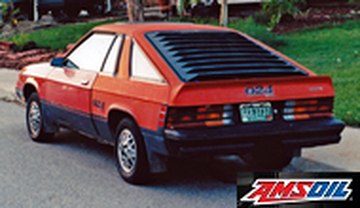
Engine Lubrication and Maintenance for the 1981 Dodge OMNI 1.7L
Maintaining a vehicle from the early 1980s requires a shift in perspective compared to modern automotive care. For owners of a 1981 Dodge OMNI with the 1.7L engine, routine service is not just about following a schedule; it is about active monitoring and understanding how aging components interact with various fluids. Proper lubrication management is a cornerstone of preserving the mechanical integrity of this vehicle over the long term.
Monitoring Fluid Integrity and Condition
One of the most effective ways to assess the health of the 1.7L engine is through regular observation of the lubricant itself. While many owners focus solely on the frequency of oil changes, the actual condition of the fluid can provide significant clues regarding engine operation. When performing a routine check, pay close attention to the following:
- Color and Clarity: Significant darkening of the oil can be normal over an extended service interval, but extremely dark or opaque fluid may indicate heavy contamination.
- Consistency: The presence of particulates or a gritty texture when checking the dipstick warrants immediate investigation.
- Odor: Unusual smells associated with the lubricant can sometimes indicate that combustion byproducts or other fluids are entering the crankcase.
If you notice any sudden changes in how the oil looks or behaves, it is important to investigate the cause rather than simply adding more fluid. Changes in appearance can be associated with various factors, ranging from extreme operating temperatures to the presence of external contaminants.
Observing Potential Warning Signs
Because older vehicles may lack the sophisticated electronic sensors found in contemporary cars, owners must rely heavily on sensory feedback and visual cues. Identifying potential issues early can prevent more extensive mechanical complications. When inspecting the 1981 Dodge OMNI, look for these indicators:
Visible fluid seepage is a primary concern. Inspecting the area around the engine for any signs of wetness or residue on the block or surrounding components can help identify where seals or gaskets may be losing their effectiveness. It is important to note that a small amount of seepage is not always an immediate cause for alarm, but it should be monitored to ensure it does not escalate into an active leak.
Additionally, keep an eye on the vehicle's performance during operation. Any unusual mechanical noises or changes in how the engine sounds during startup or idling can be related to lubrication levels or quality. If a warning light appears on the dashboard, treat it as a priority; such indicators are designed to signal that a critical system requires immediate attention.
Prioritizing Long-Term Maintenance Decisions
As a vehicle ages, the strategy for maintenance should evolve from strictly following a calendar to a condition-based approach. For an owner of a 1981 Dodge OMNI, this means prioritizing tasks based on the actual state of the machine rather than just its age.
If you are stepping into ownership without a complete service history, your first priority should be establishing a maintenance baseline. This involves performing a thorough inspection of all fluids and accessible mechanical components to understand the current "normal" for this specific vehicle. Once a baseline is established, you can more easily identify when something has changed.
When deciding where to allocate time and resources, address active concerns first. An active leak or a noticeable change in fluid consumption should take precedence over general preventive tasks. Furthermore, keeping detailed records of every oil change, filter replacement, and observed repair is invaluable. These records allow you to track patterns—such as how quickly a certain component shows wear or how often a specific fluid needs attention—which informs much better decision-making for the future.
Inspecting Aging Components and Seals
The materials used in 1981, including various rubber and composite components, are subject to the effects of time and thermal cycling. When performing routine service on the 1.7L engine, it is practical to include a visual inspection of aging materials.
Inspect accessible hoses and belts (if equipped) for signs of deterioration such as cracking, glazing, or fraying. While these components are not always directly related to the lubrication system, their condition is vital to the overall health of the engine environment. Similarly, check electrical connections and wiring for any signs of brittleness or corrosion, as secure connections are necessary for all engine management systems.
Regarding gaskets and seals, look for evidence of age-related seepage. Rather than assuming a specific seal has failed, observe the areas where fluids are contained to see if there is any accumulation of residue. This proactive approach helps in distinguishing between a minor, stable seep and a developing issue that requires intervention.
The Role of Lubrication in Engine Health
Engine oil performs several vital roles that go beyond simple lubrication. It acts as a medium for heat management, helping to carry thermal energy away from high-friction areas within the engine. It also serves as a cleaning agent, suspending microscopic particles so they can be captured by the filter during operation.
Maintaining the correct quality of lubricant is essential for managing these functions. As oil ages, its ability to resist oxidation and maintain its structural integrity decreases. This is why consistent monitoring of fluid condition is just as important as the service interval itself. Ensuring that the lubricant remains within its effective operating parameters helps protect the internal components from unnecessary wear and the buildup of deposits.
Practical Guidance for Buying Engine Oil for your 1981 Dodge OMNI 1.7L
When it is time to replenish your engine's lubricant, the most important step is to ensure that the product you select matches the specific requirements of your application. Because different engines have unique needs based on their design and tolerances, you should always match the engine oil to the application-specific viscosity information shown above on this page.
Before making a purchase, carefully check the product labeling to verify that the oil meets the appropriate API certification for your needs. While modern formulations offer various options—including conventional, synthetic blends, and full synthetics—your choice should be guided by the specific information provided in the application data for this 1981 Dodge OMNI. Some high-mileage oil formulations contain additives intended for use in aging engines, including seal-conditioning additives, which may be a consideration depending on your vehicle's current condition and history. Always prioritize the technical specifications listed in your vehicle's documentation over general marketing claims.